Award Winners
The Canadian Council of University Biology Chairs (CCUBC) offers several awards each year.
Avril Wang
2026 CCUBC Undergraduate Paper Award
Avril Wang
Department of Ecology and Evolutionary Biology - University of Toronto, Toronto, ON
Avril Wang Nomination Package (PDF)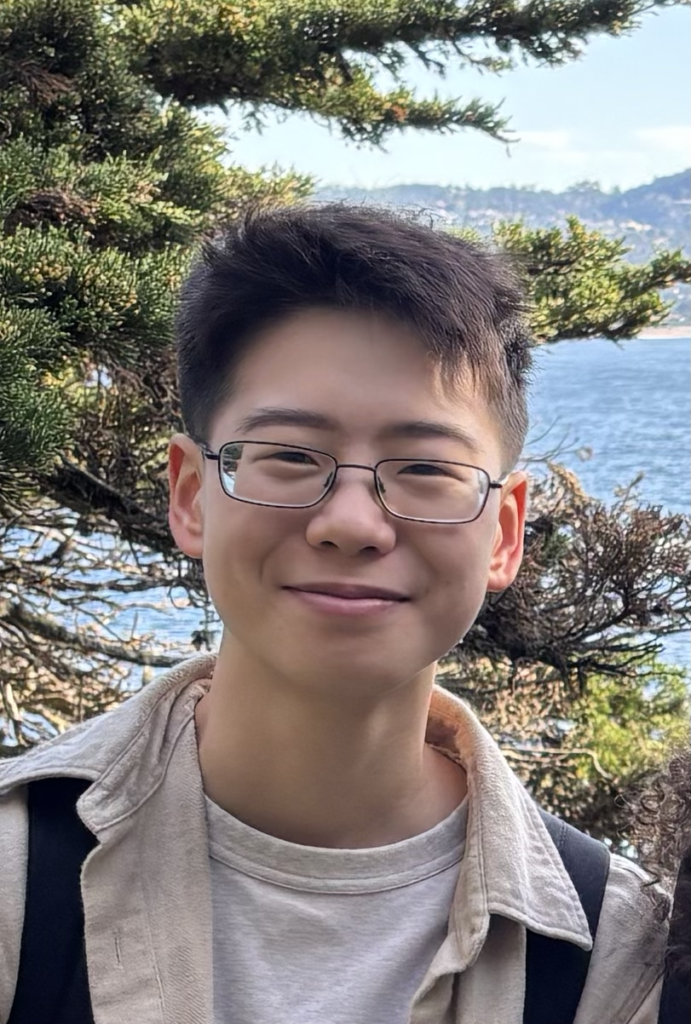
Avril Wang completed an Honours Bachelor of Science from the University of Toronto, where she double majored in Ecology and Evolutionary Biology and Molecular Genetics and Microbiology. In 2022, she joined Dr. Nicole Mideo's lab, where she completed a project using mathematical modelling to better understand the evolution of malaria parasite life history. The results of this project were published in the journal PloS Biology under the title "Malaria parasites can optimize transmission investment by sensing two within-host cues" in 2025. Avril has since joined the lab of Dr. Daniel Lew at the Massachusetts Institute of Technology as a PhD student. She is studying general principles of cellular asymmetry using a combination of genetics, biochemistry, microscopy, and mathematical modelling, using the unconventional fungus Aureobasidium pullulans as an emerging model system.
Evan McKenzie
2026 CCUBC Graduate Student Research Prize
Evan McKenzie
University of British Columbia, Vancouver, ON
Evan McKenzie Nomination Package (PDF)
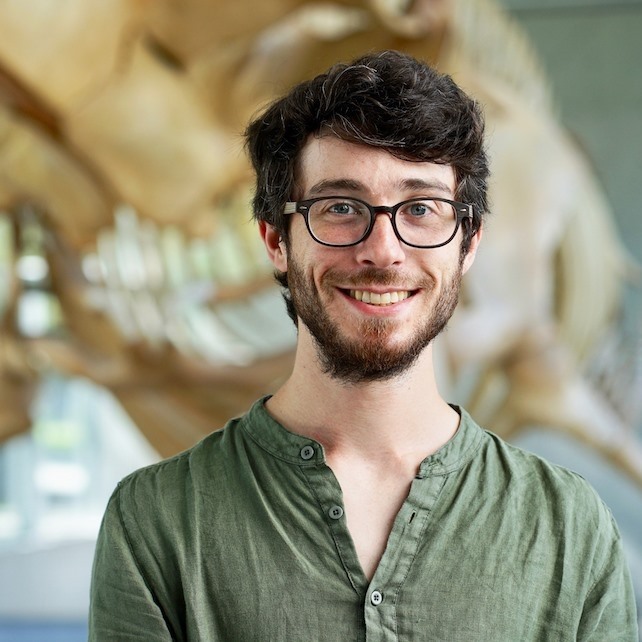
"I've always been fascinated with how animals work, and how they are adapted to their lifestyles. My first opportunity to directly conduct research in the "how do they do this?" realm of biology was in the lab of Dr. Douglas Fudge at the University of Guelph, investigating how hagfish develop the copious amounts of slime, for which they are famous, within small slime glands running down the sides of their body. I was fortunate to move onto a PhD in the lab of Dr. Phil Matthews at UBC, where I would develop my interest in the intersection of mechanical biology with how living tissues carry out their functions. In Dr. Matthews' lab, my research into the buoyancy regulation of aquatic lake fly larvae encapsulates this interest, as I was able to determine the mechanical function and depth limits of their air-filled buoyancy organs, the volumes of which are regulated by shifts in pH produced by the living cells surrounding them."
Jillian Detwiler
2026 CCUBC Science Promotion Prize
Jillian Detwiler
University of Manitoba, Winnipeg, MB
Jillian Detwiler Nomination Package (PDF)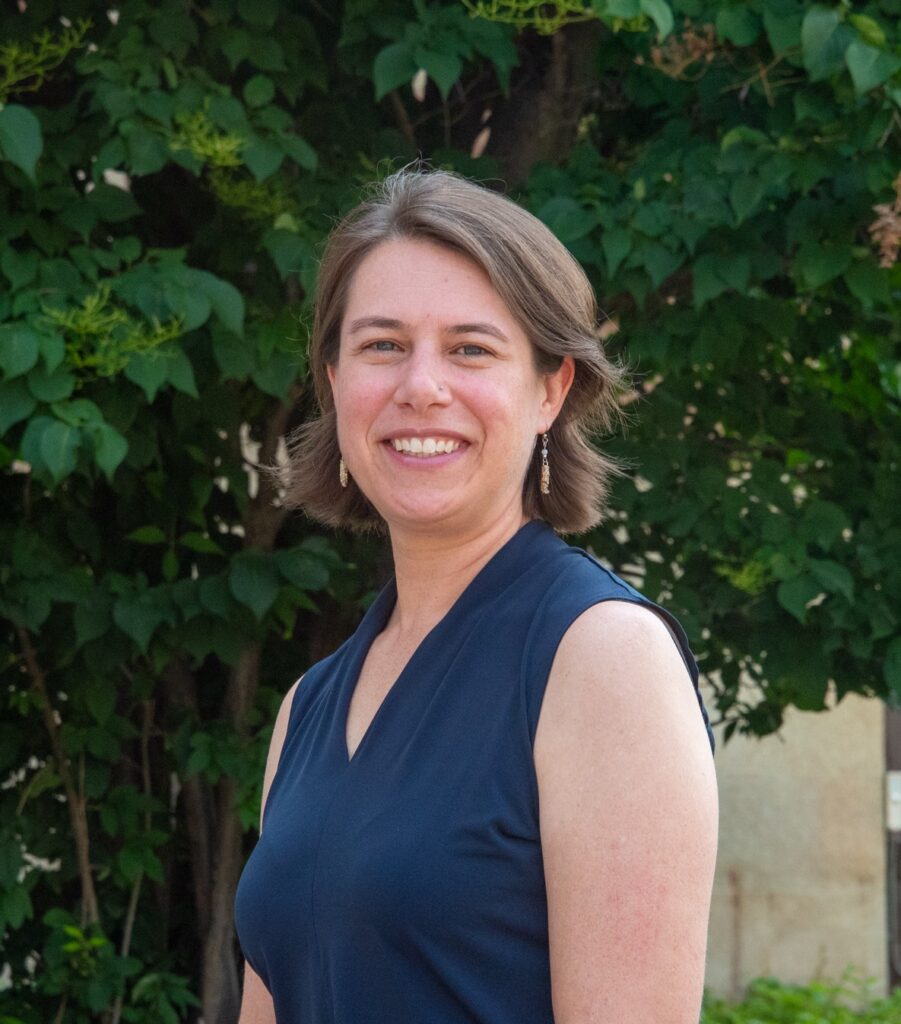
Dr. Detwiler is currently an Associate Professor in Biological Sciences and Associate Dean of Strategic Initiatives for the Faculty of Science at the University of Manitoba. She participated in outreach while a BA, BS, and MS student at the University of Nebraska-Lincoln on behalf of the university’s state museum to promote the ecological importance of bats. During her PhD at Purdue University and postdoc at Texas A&M University, she was often politely explaining to the public or the police why collecting snails and geckos helped advance our knowledge of parasitism. As a professor at the University of Manitoba, she has led postdocs, graduate students, and undergraduate students in developing outreach materials, publishing activities on an open education resource, and most importantly ‘exposing’ people (in safe and engaging ways) to the diversity of parasites found in Manitoba and beyond.
Haley Zubyk
2026 CCUBC – oCUBE Emerging Educational Leader (EEL) Award
Haley Zubyk
University of Toronto, Toronto, ON.
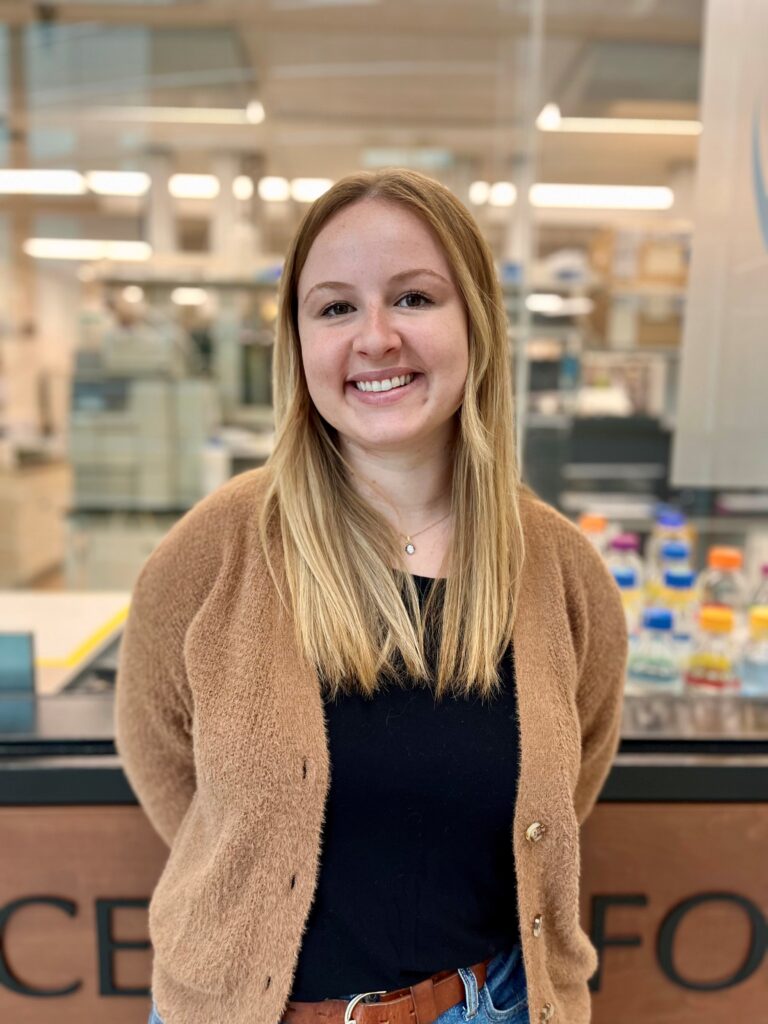
Dr. Haley Zubyk is an Assistant Professor, Teaching Stream, in the Human Biology Program at the University of Toronto, a role she began in July 2024. She previously completed her PhD in Biochemistry at McMaster University in Dr. Gerry Wright’s laboratory, where her research focused on natural product antibiotic discovery and antibiotic resistance. Her scientific background now informs her approach to biology education and her interest in connecting foundational concepts with contemporary scientific and societal challenges.
Since joining the Human Biology Program, Haley has led several curricular and educational innovation initiatives. She developed a third-year course focused on the challenges of antimicrobial resistance in human biology and has led a substantial redesign of a fourth-year course exploring the biomedical and societal dimensions of HIV. This redesign incorporates experiential learning and community partnerships, enabling students to apply their knowledge to projects that address community-identified needs. Beyond the classroom, Haley developed a research support and opportunities hub for Human Biology students to improve access to undergraduate research opportunities and application resources. Her educational leadership also extends to mentorship, science outreach, and Scholarship of Teaching and Learning research.
Haley’s approach to educational leadership is grounded in inclusive, student-centred teaching and a commitment to making biology education engaging, accessible, and meaningful. Her dedication to teaching and mentorship was recognized with the student-nominated 2025–2026 Arts and Science Students’ Union Ranjini Ghosh Excellence in Teaching Award. Through her work, she strives to empower students to see themselves as active participants in science and to recognize the impact they can have within their communities and beyond.